State Of Montana Department Of Justice Gambling Control Division
- Gambling Control Division Department of Justice 2550 Prospect Avenue P.O. Box 201424 Helena, MT (406) 444-1971 Fax: (406) 444-9157. Internal Revenue Service 10 West 15th Street Helena, MT 59626 To order tax forms: 800-829-3676 For federal tax assistance: 800-829-1040. Montana Society of CPAs 1534 9th Avenue Helena, MT 59601 (406) 442.
- Internet Archive BookReader Montana Department of Justice Gambling Control Division biennial report fiscal years 1997 and 1998: and report of the 1997-1998 Gaming Advisory Council.
(Editor’s note: Report by MTN’s John Riley)
Montana Administrative Code. Department 23 - JUSTICE. Chapter 23.16 - GAMBLING CONTROL DIVISION. Subchapter 23.16.19 - Video Gambling Machine Specifications. Administration Agriculture Arts Council Auditor Commerce Corrections Environmental Quality Fish, Wildlife & Parks Governor's Office Higher Education, Commissioner of Historical Society Judicial Branch Justice Labor & Industry Legislative Branch Livestock Lottery Military Affairs Montana Board of Crime Control Montana Public Employees Retirement.
Control systems; allowing for immediate access for department of justice representatives and local law enforcement officers to a licensed gambling premises; providing rulemaking authority; amending sections 16-6-103 and 23-5-628, mca; and providing an immediate effective date. Be it enacted by the legislature of the state of montana: section 1.
HELENA – Proposed legislation was heard at the Capitol which would legalize sports gambling in the state of Montana.
On March 19 the Senate Business, Labor, and Economic Affairs Committee heard Senate Bill 330, the Montana Sports Betting Act.
Bill sponsor Sen. Mark Blasdel, R-Kalispell, said sports betting in the state is already happening and needs to be regulated.
“This is already something that is happening with a lot of folks,” said Blasdel. “Unfortunately it’s in the black market now. This would set it up so you would have the Department of Justice overseeing it to try to track who’s operating these and collect some tax revenue off of it, as well.”
SB330 would require bettors to go through a state-authorized sportsbook operator or platform operator in order to make a sports bet.
State Of Montana Department Of Justice Gambling Control Division Regulation
Operators would need to be licensed through the Montana Department of Justice Gambling Control Division and would be under the same scrutiny as any vendor that currently offers gambling.
SB330 would only legalize betting on professional, collegiate and Olympic sports. Betting on high school or other unauthorized amateur sports would not be permitted.
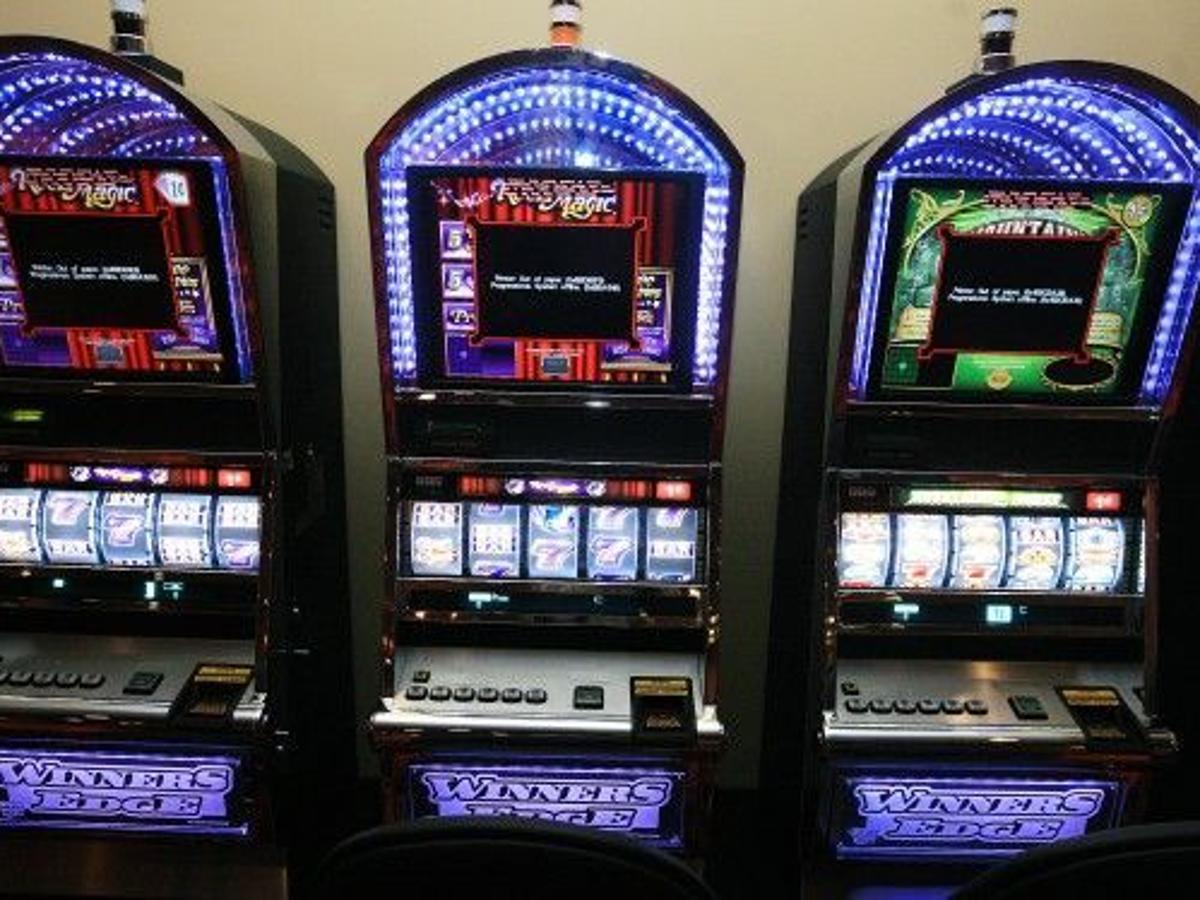
Sports bets are allowed on mobile devices but can only be placed inside the premises of a licensed gambling activity within the state. Current language of the bill requires locations to employ geolocation technology to ensure the bets only happen in a licensed establishment.
While there were no direct opponents to SB330, some speakers at the hearing did express their concerns about the geolocation technology.
Lobbyists said the technology is too expensive and restrictive, arguing mobile sports betting should be allowed anywhere people have a phone.

John Iverson of the Montana Tavern Association stated sports betting needs to be kept to authorized locations. Iverson said by doing so it will help create economic opportunity for businesses.
“If you look at the total tax on this bill to the taverns, it’s not significant,” said Iverson. “If we pass this bill, it will give a boost in the arm to a lot of small towns across the state of Montana.”
Blasdel would also like to see sports betting stay in authorized gambling locations.
“Part of it is certainly the economic driver,” said Blasdel. “If not that, we want to make sure at least the bettors have to go in and put the money in their account in the taverns. That way you don’t have somebody sitting at home – they have to make that trip and can’t just keep betting.”
If SB330 does become law it would not take effect until June 1, 2020 to allow Gambling Control Division to be prepared for the new form of betting.
According to Gambling Control Division, before betting can take place staff will need to be trained on sports betting, sportsbook software will need to be tested and administrative rules will need to be drafted.
SB330 would create four new positions within Gambling Control Division. Those positions would be paid for by the taxes generated by statewide gambling.
Sports betting had previously been illegal nationwide until the United States Supreme Court, by a vote of 6-3, overturned the Professional and Amateur Sports Protection Act on May 14 of last year. That decision made it possible for individual states to create and regulate their own sports betting.
Proposed legislation heard at the State Capitol Tuesday would legalize sports gambling in Montana, but only in qualified locations like taverns.
The Senate Business, Labor, and Economic Affairs Committee heard Senate Bill 330, or the Montana Sports Betting Act.
Sponsor Sen. Mark Blasdel, R-Kalispell, said sports betting in the state is already happening and needs to be regulated.
“This is already something that is happening with a lot of folks,” said Blasdel. “Unfortunately it’s in the black market now. This would set it up so you would have the Department of Justice overseeing it to try to track who’s operating these and collect some tax revenue off of it as well.”
SB330 would require bettors to go through a state-authorized sportsbook operator or platform operator in order to make a sports bet.
Operators would need to be licensed through the Montana Department of Justice Gambling Control Division and would be under the same scrutiny as any vendor that currently offers gambling.
SB330 would only legalize betting on professional, collegiate and Olympic sports. Betting on high school or other unauthorized amateur sports would not be permitted.
State Of Montana Department Of Justice Gambling Control Division Act

Sports bets are allowed on mobile devices, but can only be placed inside the premises of a licensed gambling activity within the state. Current language of the bill requires locations to employ geolocation technology to ensure the bets only happen in a licensed establishment.
While there were no direct opponents to SB330, some speakers at the hearing expressed their concerns about the geolocation technology.

Lobbyists said the technology is too expensive and restrictive arguing mobile sports betting should be allowed anywhere people have a phone.
State Of Montana Department Of Justice Gambling Control Division Rules
John Iverson of the Montana Tavern Association stated sports betting needs to be kept to authorized locations. Iverson said by doing so it will help create economic opportunity for businesses.
“If you look at the total tax on this bill to the taverns it’s not significant,” said Iverson. “If we pass this bill it will give a boost in the arm to a lot of small towns across the state of Montana.”
State Of Montana Department Of Justice Gambling Control Division System
Blasdel would also like to see sports betting stay in authorized gambling locations.
“Part of it is certainly the economic driver,” explained Blasdel. “If not that we want to make sure at least the bettors have to go in and put the money in their account in the taverns. That way you don’t have somebody sitting at home — they have to make that trip and can’t just keep betting.”
If SB330 does become law, it would not take effect until June 1, 2020, to allow the Gambling Control Division to prepare for the new form of betting.
According to the Gambling Control Division, before betting can take place, staff will need to train on sports betting, sportsbook software will need to be tested, and administrative rules will need to be drafted.
SB330 would create four new positions within the Gambling Control Division. Those positions would be paid for by the taxes generated by statewide gambling.
Sports betting had previously been illegal nationwide until the United States Supreme Court, by a vote of 6-3, overturned the Professional and Amateur Sports Protection Act on May 14 of last year. That decision made it possible for individual states to create and regulate their own sports betting.
Story by John Riley, MTN News